Crag
The Wild RobotCrag is the oldest inhabitant of the island, a tortoise so ancient that he has witnessed ninety-three winters, far more than any other creature in the story. He is introduced during the brutal winter crisis as the most pitiable of all the animals seeking shelter: when the Fuzzy Bandits carry him into the lodge, he is in the worst condition of anyone, a living relic of a time before the island itself existed as an island. His age is not merely a biographical detail but a structural fact of the narrative, for Crag's memory reaches back to a geological era when the land was a mountain surrounded by plains, before the oceans rose and flooded the world. This deep-time perspective makes him the community's historian and its conscience, the one voice whose words carry the authority of lived experience across nearly a century of change.
Identity and Introduction
Crag enters the story at the height of the winter emergency, when the island's animals are being driven from their frozen homes by a cold so vicious that even creatures meant to hibernate deep underground have been awakened. He is brought to the lodge by the Fuzzy Bandits, carried because he is too old and frail to walk, and he is described as being in the worst state of all the refugees. His arrival marks him immediately as the most vulnerable member of the community, yet his frailty is deceptive, for beneath his cracked shell lies the sharpest memory on the island. Unlike the younger animals who know only the present hardship, Crag carries within him the entire history of the island's settlement, the floods that created it, and the hard-won balance that has kept its inhabitants alive ever since.
The Voice of Deep Time
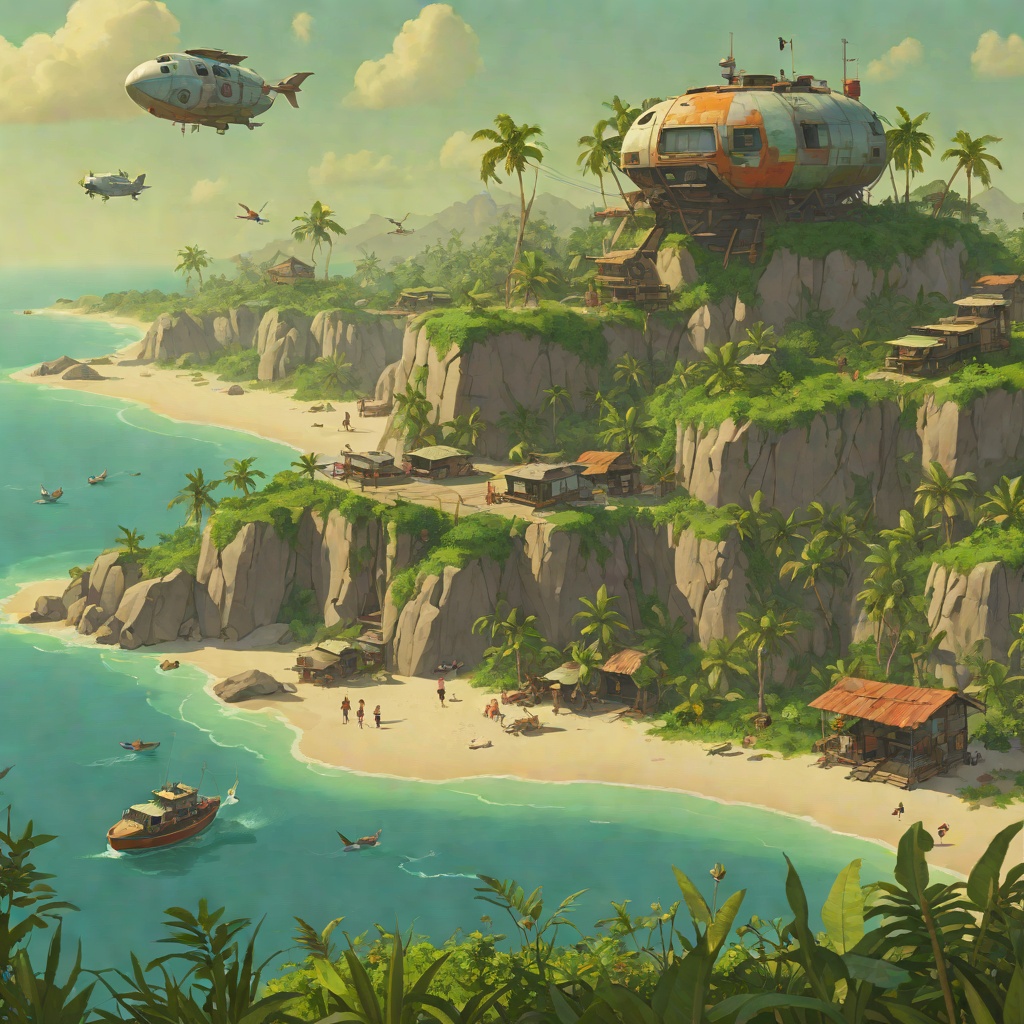
Crag's defining moment comes during the gathering in the lodge, when the animals are reflecting on their struggles to survive and on how Roz has made their lives a little easier. It is then that Crag speaks, slowly but with absolute authority, and everyone listens. He declares that he has seen ninety-three winters, far more than any of them, and he testifies to a pattern of worsening climate: the winters have grown colder, the summers hotter, and the storms more violent. When Chitchat the squirrel expresses skepticism about the rising ocean, wondering where all the extra water could possibly come from, Crag confirms it as truth. He then unfolds the island's origin story, passed down from his grandfather: long ago, this land was not an island at all but a mountain surrounded by plains. The ground shook, the oceans swelled, and the land was slowly flooded until the mountain became the island it is today. Animals from all over the world were forced to flee to this refuge to escape the rising waters, and in that crowded, starving time, the island could not feed everyone. Only through fighting, disease, and famine was an equilibrium finally found, and since then the animals have maintained that balance. This speech establishes Crag as the keeper of the island's collective memory, the one who understands that the present crisis is not an anomaly but part of a long pattern of environmental upheaval, and that survival has always depended on finding balance.
The Winter Crisis and the Lodges
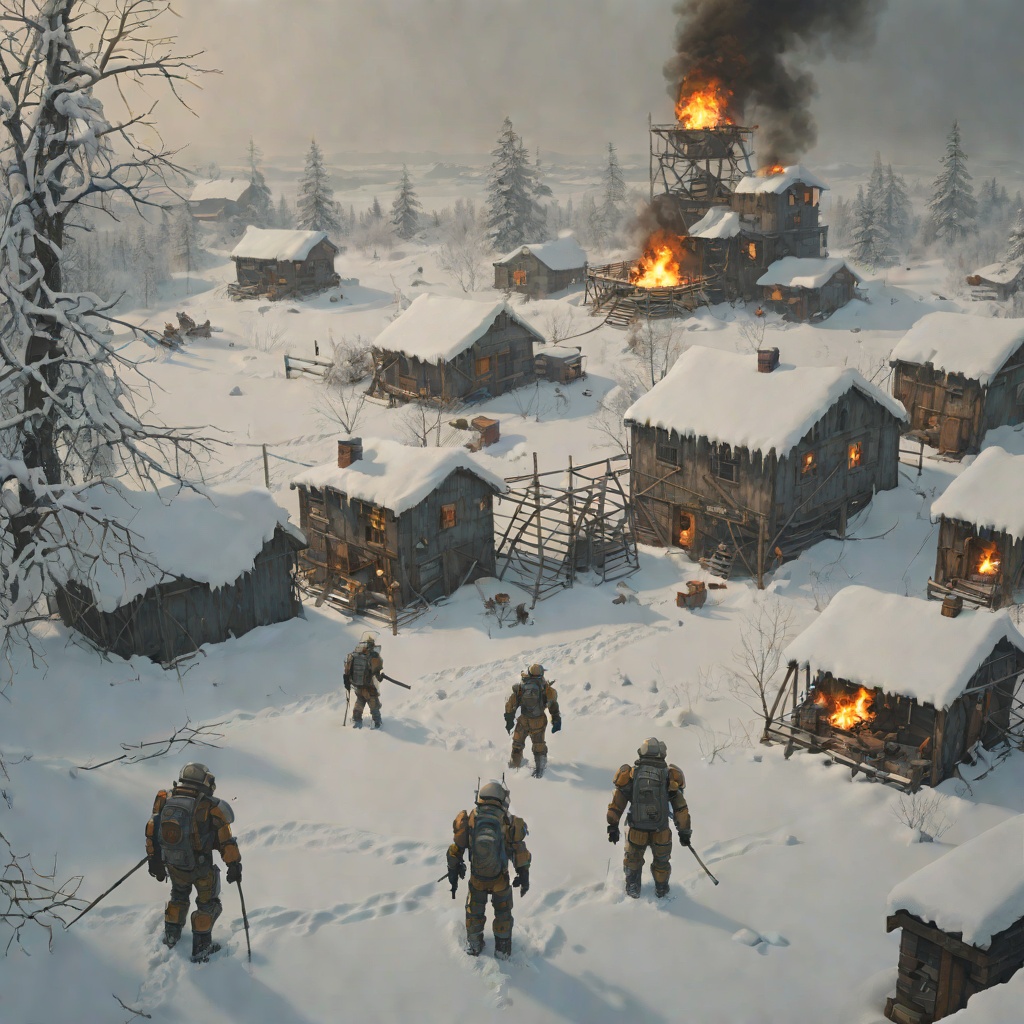
Crag's role in the winter crisis extends beyond his testimony, for his presence in the lodge is part of a larger transformation of the island's social order. The winter is so severe that the animals' usual survival strategies fail, and Roz responds by building a network of lodges across the island. The first lodge, built with Mr. Beaver's expertise, is a great dome of wood, mud, and leaves with a stone door, a vaulted ceiling tall enough for Roz to stand, a central hearth, and moss-covered stone benches lining the walls. When Crag and the other refugees arrive, many of them see fire for the first time, and they regard it with a mixture of fear and hope, sensing both its destructive power and its life-giving warmth. Roz builds a second lodge across the frozen pond, testing the ice by throwing a heavy stone onto it before crossing, and there she enlists the animals' help in gathering stones, branches, and frozen mud, explaining that if they tend the fire, it will keep them alive, but that it can become deadly in an instant. She builds a third lodge in the Great Prairie, battling violent winds and enormous snowdrifts, then a fourth and a fifth, until the island is dotted with warmly glowing lodges where animals laugh, share stories, and cheer for their friend Roz. Crag, as one of the first and most fragile refugees, is a living symbol of what is at stake in this effort, and his survival through the winter is a testament to the community's new capacity for collective care.
The Final Council
Crag's final and most consequential appearance comes at the moment of greatest crisis, when Roz herself is broken and the island faces an existential threat from the RECO robots. Brightbill, desperate and unsure how to help his injured mother, is urged by Roz to gather their closest friends for counsel. The oldest and wisest animals assemble in the lodge: Loudwing limps in with her injured foot, Mr. Beaver follows, then Fink and Swooper, Tawny curls up on the floor, Nettle comes in place of the too-injured Mother Bear, and Brightbill returns with Chitchat, who is nursing a burned tail. The last to crawl in is Crag, the old tortoise, and his presence completes the council. The group talks through the night, debating the RECOs, what to do about Roz, and how to keep the island safe. Opinions clash and tempers flare, but by dawn they have agreed on a plan of action. Crag's role in this council is not described in detail, but his inclusion among the oldest and wisest, and his position as the final arrival, underscores his status as the community's elder, the one whose judgment is sought when all other options have failed. The next morning, the Dawn Truce is held not in the Great Prairie but in a small meadow at the foot of the mountain, before the airship, where tired animals file quietly into the clearing, the only sound a gurgling stream passing before the robot. Crag's presence at this turning point links the island's ancient past to its uncertain future, and his quiet endurance suggests that the balance he described may yet hold.
Narrative Role and Significance
Crag functions as the island's living archive, a character whose extreme age allows the narrative to reach back beyond the events of the story and connect them to a larger geological and historical context. His testimony about the flooded mountain and the hard-won equilibrium of animal life gives the island's present struggles a deeper resonance, framing Roz's interventions not as disruptions but as continuations of an ancient pattern of adaptation. He is also a measure of the community's compassion: the fact that the Fuzzy Bandits carry him to safety, and that he is given a place by the fire despite being in the worst condition of all, shows how the winter crisis has transformed the animals' relationship to one another. In a story about a robot learning to be wild, Crag represents the opposite pole, a creature so deeply embedded in the natural order that he carries its entire history in his memory. His slow, deliberate speech, always listened to, stands in contrast to the frantic activity of the younger animals, and his final appearance at the council of Roz's closest friends confirms his role as the moral and historical anchor of the community, the one whose perspective spans the flood that created the island and the crisis that now threatens it.